


Does your elbow hurt every time you pick something up? Even holding a coffee cup or turning a doorknob can hurt. Shockwave Therapy for Tennis Elbow Phoenix, AZ tackles stubborn tendon pain.
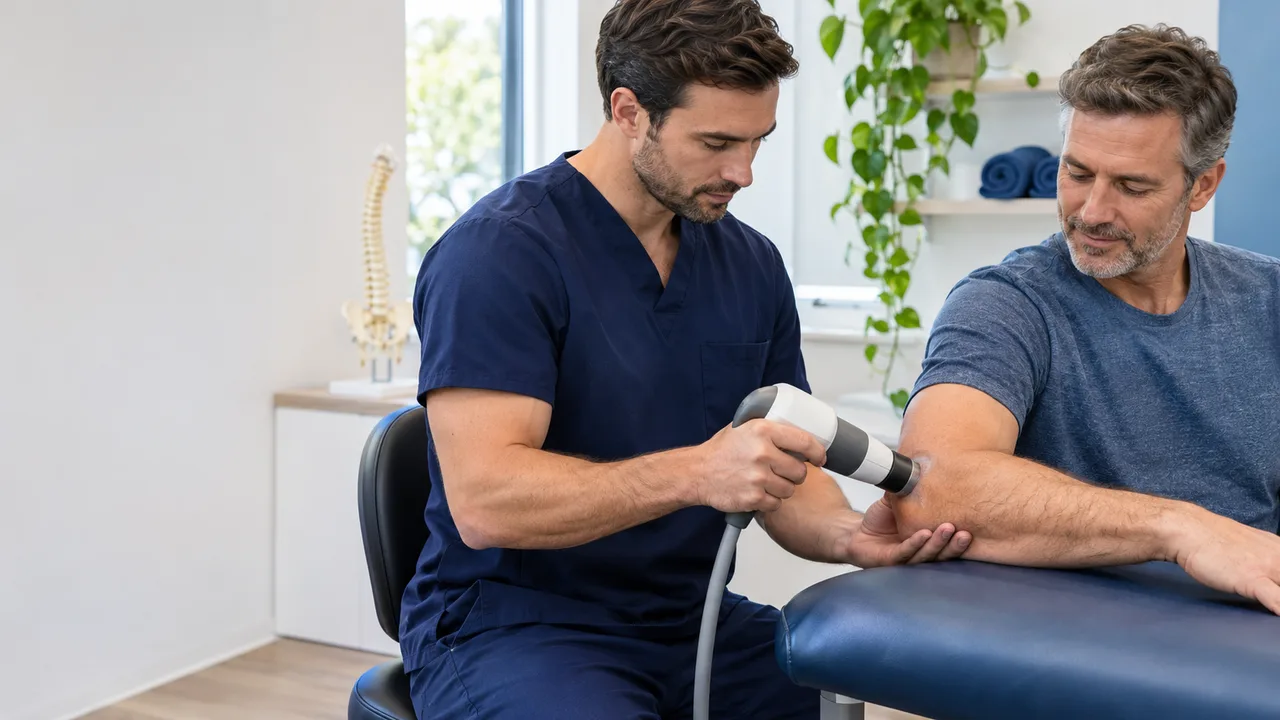
Focused shockwave therapy sends powerful sound waves into painful elbow tendons. It stimulates healing and helps get that nagging pain under control. No surgery, no injections, and no long hospital stays.
You want to lift things without worrying about your elbow. You want to golf, exercise, and work without constant pain. That’s what getting your tennis elbow treated is about.
You’ve probably tried resting your elbow, icing it, or taking painkillers. Maybe you’ve even stopped doing activities you enjoy. But the pain keeps coming back whenever you use your arm.
Tennis elbow happens when tendons outside your elbow become overloaded. Over time, repeated strain can damage the tendon fibers. That’s why resting doesn’t always make the problem disappear.
Focused shockwave therapy targets the painful tendon directly. It stimulates healing and helps reduce stubborn elbow pain. That gives you another way to tackle the problem without surgery.
Tennis elbow often starts with repeated strain on your forearm tendons. Small injuries can build up faster than your tendon recovers. Over time, the tissue becomes painful and harder to use.
Chronic tennis elbow involves changes in the tendon’s structure. The fibers can become weaker and less organized. That’s why gripping, lifting, and twisting your wrist hurt.
Focused shockwave therapy stimulates healing in these painful tissues. It also changes how your body processes pain signals. This helps many patients get back to using their arms comfortably.
Rest and ice can help settle down elbow pain. Painkillers can also make symptoms easier to handle. But sometimes the pain comes right back when you start lifting.
Chronic tendon pain often needs more than temporary relief. Your tendon needs to get stronger and handle movement again. That’s where strengthening exercises and other treatments come in.
Focused shockwave therapy treats the affected area without surgery. It gets your body’s natural healing response working. Combined with exercises, it can help tackle stubborn tendon problems.
Has your elbow been hurting for months? Does the pain return whenever you grip or lift something? That’s a sign your tendon hasn’t fully recovered.
Chronic tennis elbow can also weaken your grip. You might struggle with tools, groceries, or everyday chores. Even typing or using a mouse can become annoying.
Getting your elbow checked helps you understand what’s wrong. You can find out why the pain keeps returning. Then you can choose treatment that makes sense.
Focused shockwave therapy treats painful elbow tendons using targeted sound waves. The treatment works through your skin without cutting or injections. It stimulates healing in tissues affected by ongoing strain.
Tennis elbow usually affects tendons attached to your forearm muscles. These tendons help you grip, lift, and move your wrist. When they become damaged, even simple tasks can hurt.
Shockwave therapy goes after the tissues causing that pain. It helps reduce pain and improve arm function in many patients. The goal is getting you back to using your arm normally.
Focused shockwave therapy sends sound waves into the damaged tendon. These waves stimulate circulation and your body’s natural healing response. They also affect how nerves send pain signals.
Your provider places a handheld device against your elbow. The device delivers sound waves into the painful area. Treatment settings are adjusted based on your condition.
There’s no cutting or injections involved. Most people return to light activities after their appointment. Your provider explains when heavier activity is safe.
Pain medication helps control symptoms for a while. Physical therapy builds strength through specific exercises. Focused shockwave therapy uses sound waves to treat painful tendon tissues.
Cortisone injections can provide short-term relief from elbow pain. But the pain sometimes returns after the medication wears off. Shockwave therapy takes a different approach to treating the tendon.
These treatments don’t all work the same way. Some people need exercises, while others need additional treatment. What works best depends on what’s causing your pain.
Yes, most tennis elbow cases are treated without surgery. Focused shockwave therapy is one of the available nonsurgical options. It uses sound waves instead of cutting or injections.
Treatment usually takes place during a regular clinic visit. You can often return to light daily activities afterward. Temporary soreness can happen around the treated area.
Severe tendon problems sometimes need a different approach. But surgery isn’t automatically your next step. Getting your elbow checked helps you understand your options.
Want to know whether shockwave therapy actually works? Researchers have tested it on people with stubborn tennis elbow. Several studies found less pain and better arm function afterward.
Some studies compared shockwave therapy with cortisone injections. Others compared treatment with placebo or ultrasound. The results help explain where shockwave treatment works best.
You don’t have to take anyone’s word for it. We’ve linked the research below so you can read it. The findings include both positive and mixed results.
Study
Participants / Condition
Intervention
Main Findings
Patients with tennis elbow
Focused shockwave treatment compared with sham and another approach
Focused treatment improved pain and function compared with sham.
60 patients with tennis elbow
Focused shockwave compared with ultrasound and placebo
Focused treatment produced better pain and function results than ultrasound.
Six randomized clinical trials
Shockwave treatment compared with corticosteroid injections
Injections worked better initially; shockwave showed better later outcomes.
68 patients with tennis elbow
Shockwave therapy compared with low-dose placebo treatment
Both groups improved, with no significant difference between them.
The research shows real benefits for certain tennis elbow patients. But not every study found the same results. Different treatment methods and tendon conditions affect the outcome.
That’s why your specific elbow problem matters. A treatment that works for one person isn’t always right for another. Finding the cause of your pain helps guide your care.
When your elbow hurts every day, you want relief fast. Nobody enjoys struggling to lift groceries or hold a coffee cup. So how soon can shockwave therapy make a difference?
Some patients notice improvements after their first few sessions. Others feel changes over the following weeks. Tendons need time to respond to treatment and rebuild strength.
Focused shockwave therapy stimulates healing in the affected tissues. Strengthening exercises also help your tendon handle everyday movement. Together, these approaches can improve pain and arm function.
Some patients notice less pain after a few sessions. Gripping, lifting, and twisting your wrist can start feeling easier. Others need several weeks before noticing a real difference.
Shockwave therapy stimulates your body’s natural healing response. These changes continue after each treatment session. Your provider checks how your elbow responds along the way.
Don’t expect every tendon to recover at the same speed. Some injuries are more stubborn than others. Following your treatment plan helps you stay on track.
Many shockwave treatment plans involve several sessions. Appointments are usually spread over a few weeks. The number depends on your elbow condition and progress.
Each session focuses on the painful tendon. Your provider adjusts the treatment based on your symptoms. You’ll also learn what to do between visits.
Some people improve sooner than others. Additional strengthening exercises are often part of recovery. Your provider explains what to expect before treatment begins.
Treatment Stage
What to Expect
First Session
Treatment begins; temporary tenderness can occur
Early Sessions
Some patients start noticing less elbow pain
Following Weeks
Grip strength and everyday movement become easier to assess
Long-Term Recovery
Strengthening exercises help your tendon handle regular activity
Focused shockwave therapy doesn’t involve surgery or injections. It’s a nonsurgical treatment for certain chronic elbow problems. Most reported side effects are mild and short-lived.
Your elbow might feel tender after a session. Some people notice temporary redness, swelling, or mild bruising. These effects usually settle within a few days.
Still, shockwave therapy isn’t right for everyone. Certain injuries and medical conditions require extra care. Your provider checks your health history before starting treatment.
Your elbow might feel sore after treatment. Some people notice mild redness or swelling. These symptoms usually settle within a short time.
Some medical conditions make shockwave treatment unsuitable. Active infections and bleeding problems need special attention. Your provider checks your medical history before recommending treatment.
Don’t rush straight back into heavy lifting. Follow the activity guidelines given after your session. Give your tendon time to recover before pushing it harder.
You’ve probably heard about cortisone shots for tennis elbow. Maybe someone’s even suggested surgery because the pain keeps returning. But those aren’t your only options.
Focused shockwave therapy treats painful tendons without needles or surgery. It uses sound waves to stimulate healing in the affected tissues. It’s another way to tackle stubborn elbow pain.
Physical therapy and other treatments still have their place. Some problems respond well to exercises and activity changes. The right treatment depends on what’s happening inside your elbow.
Treatment
What It Does
Main Benefit
Focused Shockwave Therapy
Sends targeted sound waves into affected tendon tissues
Reduces pain and improves function in certain patients
Physical Therapy
Strengthens forearm tendons through exercises
Builds strength and improves arm movement
Cortisone Injections
Delivers anti-inflammatory medication near painful tissues
Offers short-term pain relief
Elbow Braces
Supports the forearm during activity
Reduces strain during certain movements
Pain Medication
Helps manage pain and inflammation
Provides temporary symptom relief
Surgery
Repairs or removes damaged tendon tissue
Treats selected severe or persistent cases
Cortisone injections can calm elbow pain quickly. But that relief doesn’t always last. Some studies found better later results with shockwave treatment.
Focused shockwave therapy doesn’t require needles. Instead, it sends sound waves into the painful tendon. Treatment focuses on the affected tissues rather than injecting medication.
Both treatments have benefits and limitations. Your elbow condition determines which approach makes sense. Not everyone needs an injection to get relief.
Physical therapy helps strengthen your painful forearm tendons. Exercises teach those tissues to handle movement again. That’s important when everyday gripping keeps causing trouble.
Focused shockwave therapy stimulates healing in affected tissues. It can be combined with exercises during rehabilitation. Both approaches work toward better elbow strength and comfort.
Your tendon still needs to handle daily activities afterward. That’s why strengthening exercises matter even when pain improves. Recovery involves getting the tendon working properly again.
Surgery is sometimes considered for severe, stubborn tennis elbow. But most people don’t need an operation. Nonsurgical treatments are usually tried first.
Focused shockwave therapy doesn’t require surgical cuts. There’s no hospital stay or surgical wound to recover from. It’s an option for certain long-term tendon problems.
Some severe cases still need other medical care. Getting the right diagnosis helps you understand your choices. Surgery shouldn’t be assumed just because your elbow hurts.
Tennis elbow sometimes settles down with rest and simple care. But sometimes that nagging pain keeps returning for months. Even lifting a bag or opening a jar becomes frustrating.
Repeated strain can keep irritating the affected tendon. You might start using your wrist or shoulder differently. That can put extra stress on other muscles.
You don’t have to guess why your elbow keeps hurting. Getting it checked helps identify what’s causing the problem. Then you can work on getting your arm moving comfortably again.
Your forearm tendons handle a lot of everyday movement. Repeated strain can wear down the affected tissue. Over time, gripping and lifting become more painful.
Elbow pain often changes how you use your arm. You might avoid certain grips or lift things differently. That can put extra stress on your wrist and shoulder.
It’s annoying when simple things hurt every single day. Lifting groceries, typing, and playing sports become difficult. Getting proper treatment helps you tackle the problem.
Tennis elbow can make everyday life a real hassle. Even carrying groceries or working at your computer can hurt. Playing golf or pickleball becomes frustrating when your elbow won’t cooperate.
NuWave Wellness offers shockwave therapy for tennis elbow in Phoenix, AZ. Focused shockwave treatment targets the painful tendon without surgery. It helps many patients get back to using their arms comfortably.
Getting your elbow checked is a good place to start. You’ll learn what’s causing the pain and what treatment involves. The goal is lifting, gripping, and moving without constant elbow pain.
Still dealing with elbow pain after weeks of rest? Maybe you’ve already tried ice, braces, and exercises. Focused shockwave therapy gives you another option to consider.
It sends targeted sound waves into painful tendon tissues. The treatment stimulates healing without surgery or injections. It’s worth exploring for certain long-term tennis elbow problems.
But first, you need to know what’s causing the pain. Not every elbow injury needs the same treatment. Getting checked helps you decide what makes sense.
Focused shockwave therapy uses sound waves to treat painful elbow tendons. It targets the affected tissue without surgery or injections. Treatment stimulates healing and reduces pain in many patients.
Your provider uses a handheld device against your elbow. It sends sound waves into the painful area. The settings depend on your condition and symptoms.
The goal is less pain when gripping and lifting. Many patients notice better arm function after treatment. Results depend on what’s causing your elbow pain.
Focused shockwave therapy sends targeted sound waves into damaged tendon tissues. These waves stimulate circulation and your body’s natural healing response. They also affect how your body processes pain.
Your provider places the treatment device against your elbow. It delivers sound waves through your skin. No cuts or injections are needed.
Your tendon needs time to respond to treatment. Some patients notice improvement sooner than others. Strengthening exercises can also help your arm recover.
It depends on what’s causing your elbow pain. Some patients improve with exercises and activity changes. Others continue hurting despite trying those treatments.
Focused shockwave therapy gives you another nonsurgical option. Research shows good results for certain chronic elbow problems. Some studies also found better later outcomes than cortisone injections.
But no single treatment works for everyone. Different tendon conditions need different care. Getting your elbow checked helps you find the right approach.
Many treatment plans involve several shockwave sessions. These appointments are usually spread over a few weeks. The exact number depends on your elbow condition.
Each session focuses on the painful tendon area. Your provider checks your progress between visits. The schedule can change based on how you respond.
Some people improve faster than others. Strengthening exercises are often part of recovery, too. Your provider explains the process before getting started.
You might feel pressure or tapping during treatment. Some spots can feel more sensitive than others. Your provider can adjust the settings if it’s uncomfortable.
Your elbow might also feel sore afterward. Mild redness or swelling can happen around the area. These effects usually settle within a short time.
Speak up if something doesn’t feel right. Your provider can pause or change the treatment settings. You shouldn’t have to push through severe pain.
Focused shockwave therapy isn’t suitable for every person. Certain medical conditions require extra care before treatment. Your provider reviews your health history first.
Active infections near the elbow need medical attention. Bleeding disorders and certain medications also require careful review. Always tell your provider about any health concerns.
Some elbow injuries need different treatment entirely. That’s why getting checked before treatment matters. You need to know what’s wrong with your tendon.
Yes, tennis elbow can return after treatment. Repeated gripping and heavy lifting can strain your tendon again. That’s why getting your arm stronger matters.
Exercises help your tendon handle everyday movement. Gradually returning to sports and heavier work also helps. Don’t suddenly push your elbow harder than it’s ready for.
Shockwave therapy treats certain chronic tendon problems. But caring for your elbow afterward remains important. Building strength helps you maintain your progress.
Tired of your elbow hurting whenever you grab something? Maybe you’ve stopped golfing, exercising, or working on your favorite projects. Even simple chores can become a pain.
Focused shockwave therapy treats stubborn tennis elbow without surgery. It stimulates healing and reduces pain in many treated patients. That means getting back to using your arm more comfortably.
You want to lift, grip, and move without constant pain. You want your elbow to stop ruining your favorite activities. Getting the problem treated helps you work toward that.

743 E Bell Rd #5
Phoenix, AZ 85022
Ask about our $69 New Patient Shockwave Special. Our team can explain what to expect and help you decide whether shockwave therapy may be right for your needs. Click the offer image to view available booking times and request an appointment.